

• Isabel Facebook Feeds

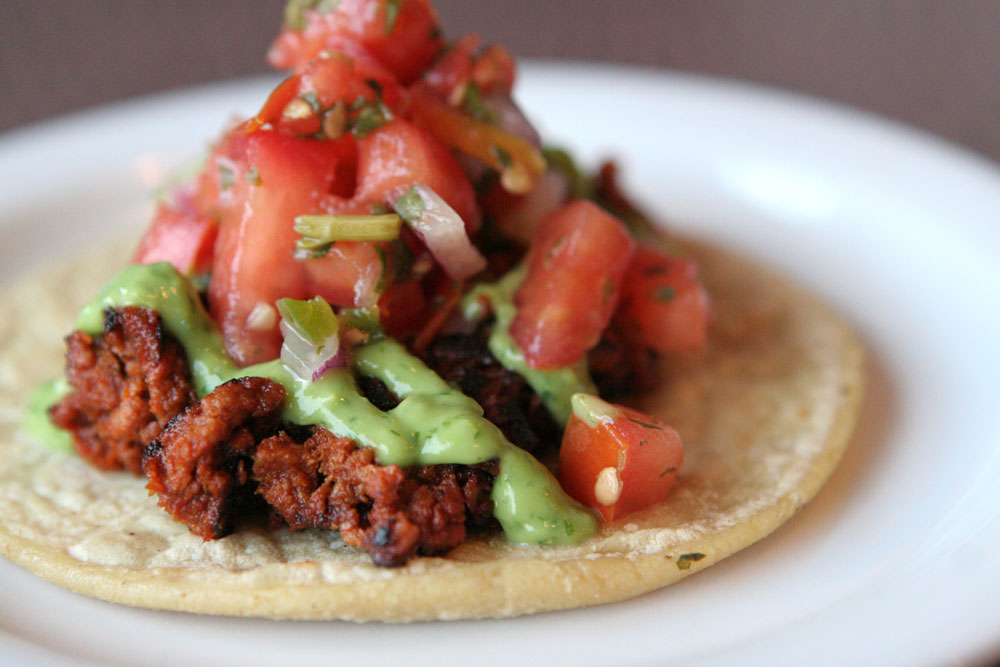
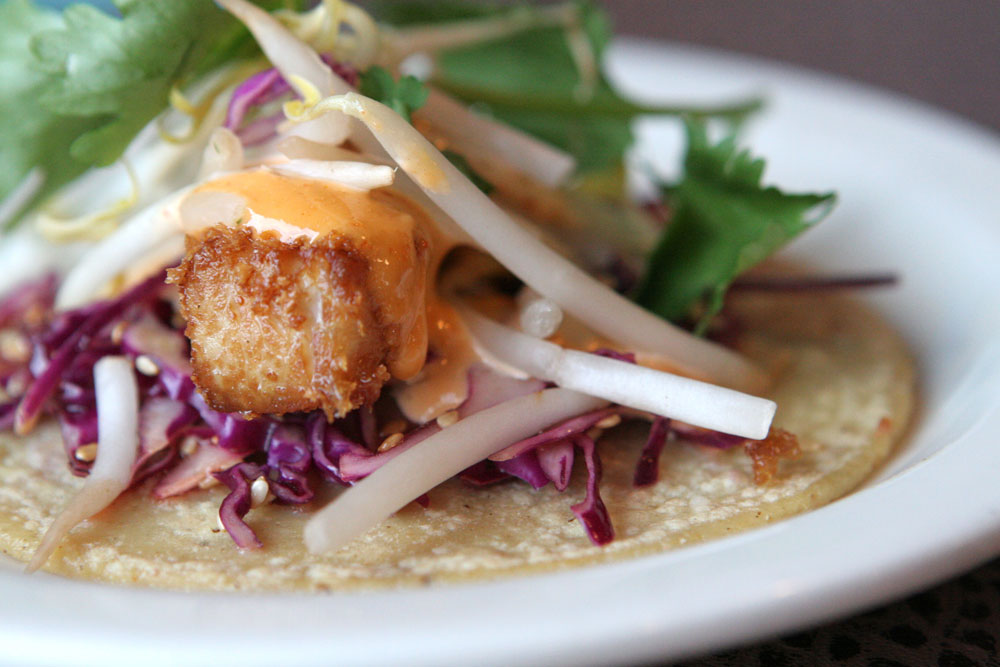
    • Cheers to Taco Tuesday! Choose from our many taco options and margaritas on special tonight!


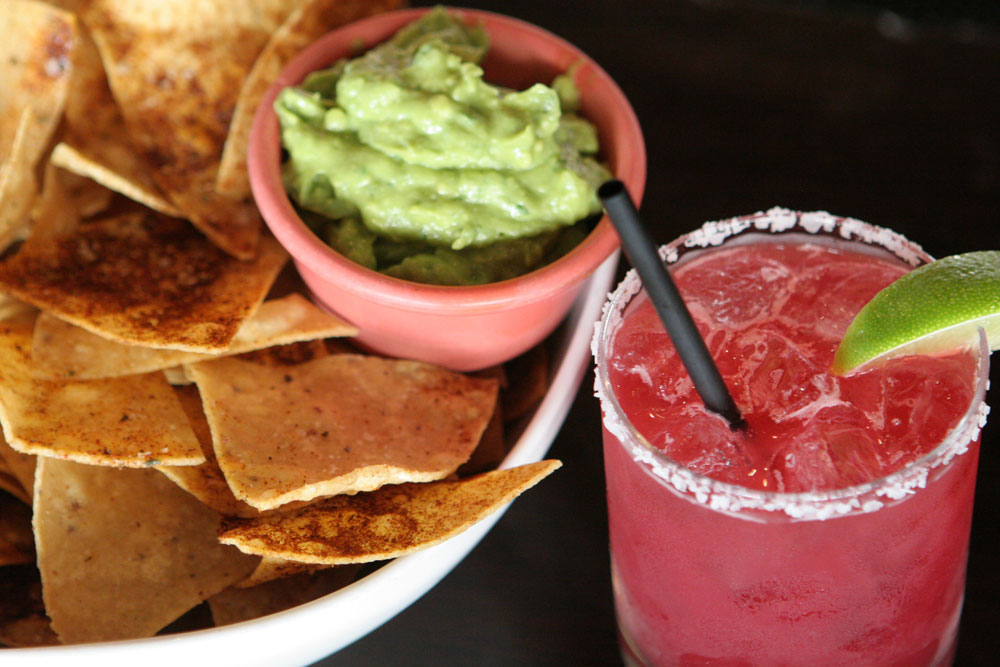
    • Have you tried any of our delicious margaritas with your meal yet?! Pictured is our pomegranate mint margarita with fresh pom juice, lime,
      agave nectar, and mint.

      Photo via Instagram user @ginaestherlu


    • Our chicken diablo is made with free range chicken cooked in a red chile cumin rub and served with a chipotle sauce, try it for dinner tonight!


  • Latest Tweets

    BarrioStarr RT @paulosullivano: как мне нравится "гаф" ( https://t.co/gWbiHsWh2j
    2hreplyretweetfavorite
    BarrioStarr 🔴Все, что надо для настоящей жизни, в деньгах не дорого стоит. Попробуй купить…
    3hreplyretweetfavorite
    BarrioStarr 🎍Вдруг ход времен как будто замер наяву
    3hreplyretweetfavorite
    BarrioStarr RT @MatosJen: Одного не понимаю. Нахрена медуза убилась об кента? Нахрена она била его, когда у кента был бм включен? https://t.co/h5yDVwDK…
    4hreplyretweetfavorite
    BarrioStarr RT @dvd4040: жига дрыга https://t.co/bqCIQ9b4CV
    9hreplyretweetfavorite
    BarrioStarr 🏪в мир, оттаявший, зловонно
    9hreplyretweetfavorite
    BarrioStarr Чистое политиканство не делает чести.
    11hreplyretweetfavorite
  • Gallery

    5a9faef0d9a8c6e4da83843dbc01258 676105369c74f2c456ed7c0355d35b6a b0e14f64384e35dccc3e00e88b3d3ded ca38752fbaa509a72785921b4401c45b dragonfly2 tuna barrio-corn barrio-interior chicken-sandwich chips-guac cinnamon-roll-french-toast pom-marg-chips soy-chorizo-taco tofu-taco photo-1

RECENT NEWS

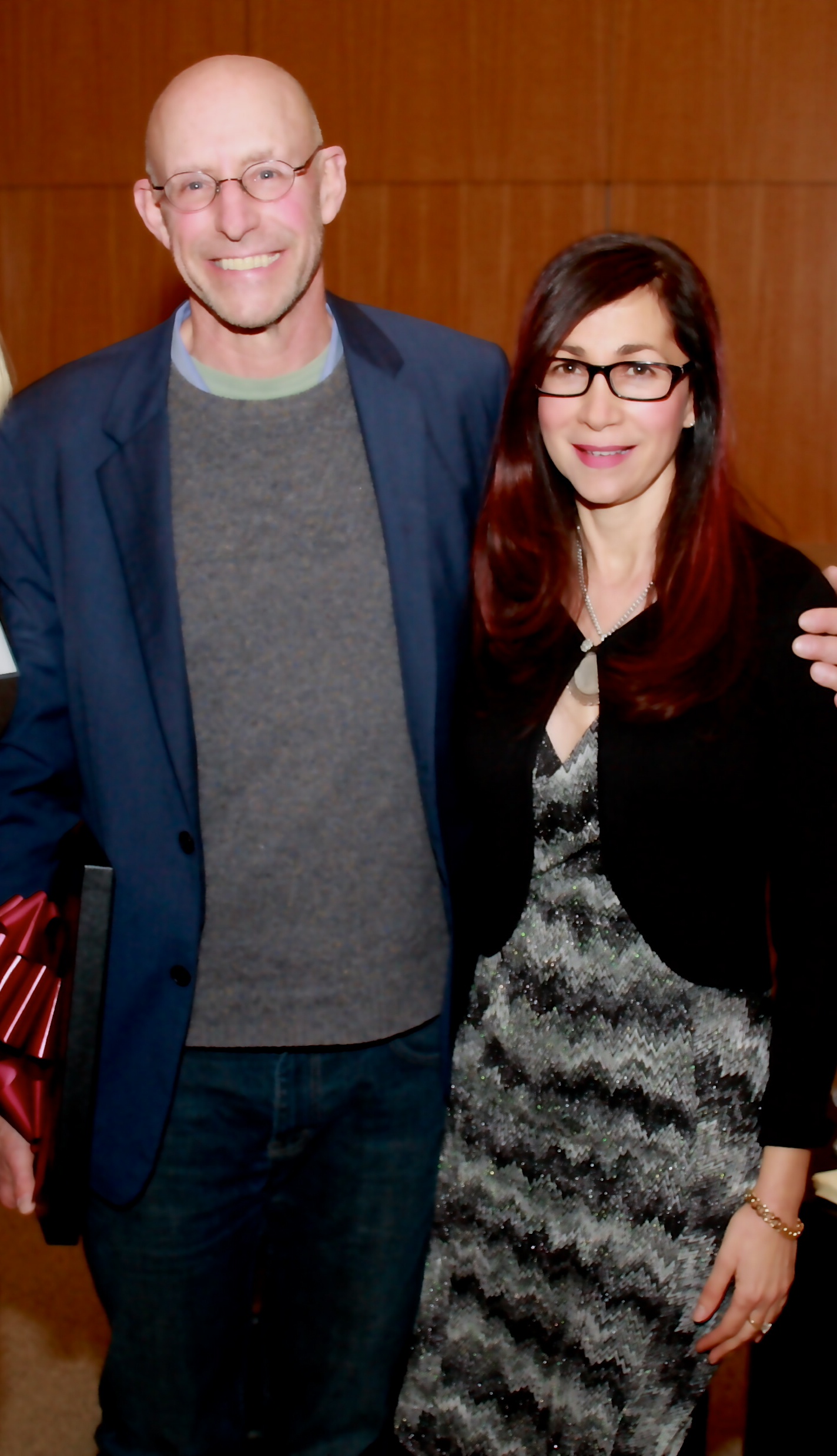
Isabel was thrilled to attend Michael Pollan’s talk at the Salk Institute:

New York Times bestseller and science journalist Michael Pollan spoke on Thursday, March 13, to a packed auditorium about the history, culture and science of agriculture and plants. In a Q&A-style interview hosted by Salk professor and March of Dimes Chair in Developmental and Molecular Biology Ron Evans, Pollan spoke eloquently on the state of food in America and how what we choose to eat affects our health and environment. He detailed his personal foray into gardening his own food and how his research dramatically influenced his personal eating habits.
The audience listened to Pollan weave together a fascinating narrative of food movements, deftly incorporating economic, historic, scientific, political and cultural aspects into explanations of the development of food and agriculture. He discussed how humans, as the only “cooking apes,” have historically processed food, first to our advantage (fermenting and cooking) and sometimes to our detriment (substituting refined flour, sugars and artificial enhancements).
Afterwards, Pollan answered questions ranging from environmental solutions for the growing food crisis to challenges for organic farmers. The event wrapped up as guests mingled for hors d’oeuvres, discussing their own food habits.